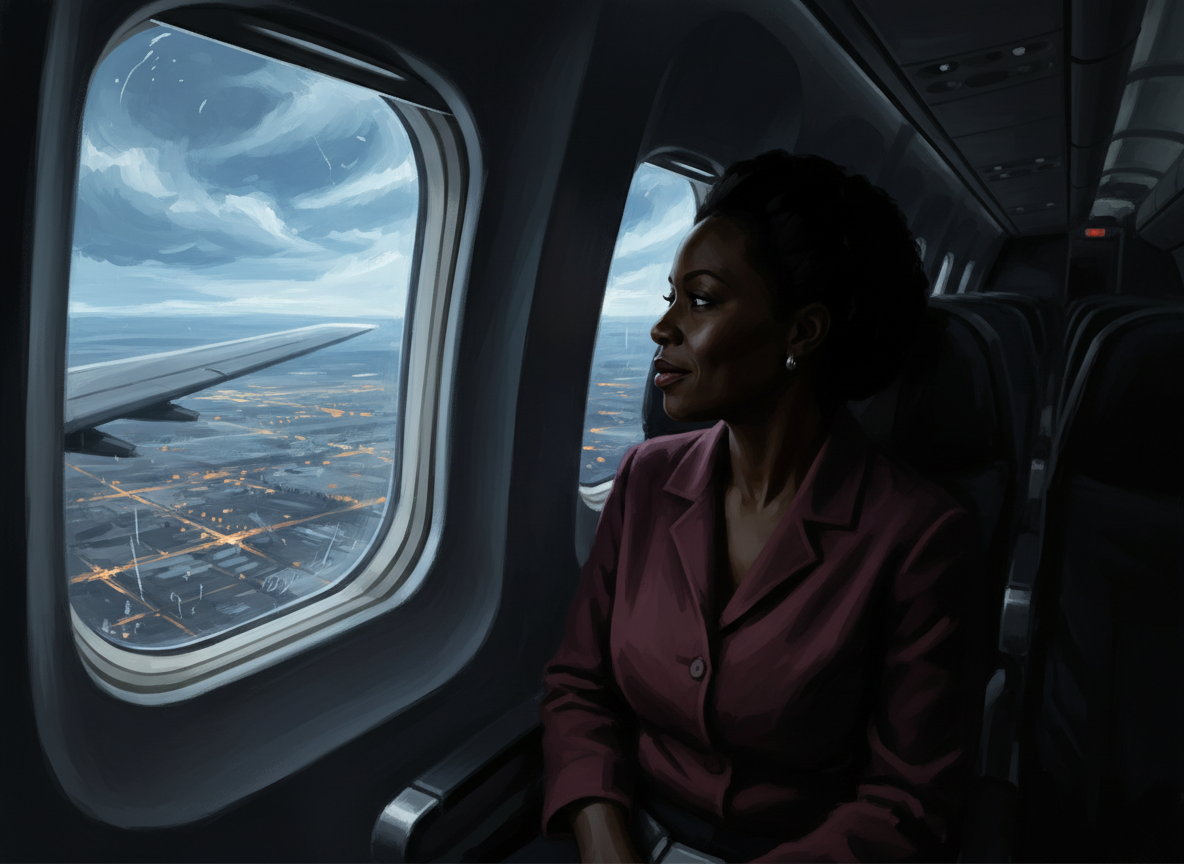
Xhale Chronicles
Air Assassin
Some women don’t break the law. They become it.
Letters from Xhale · Words that breathe. Stories that linger.
Mirror is not a villain. She is a woman who spent years watching the world protect the wrong people — and one day decided she was done watching. I wrote this story because the line between justice and revenge is thinner at thirty thousand feet.
Chapter I
The Shape of Her Silence
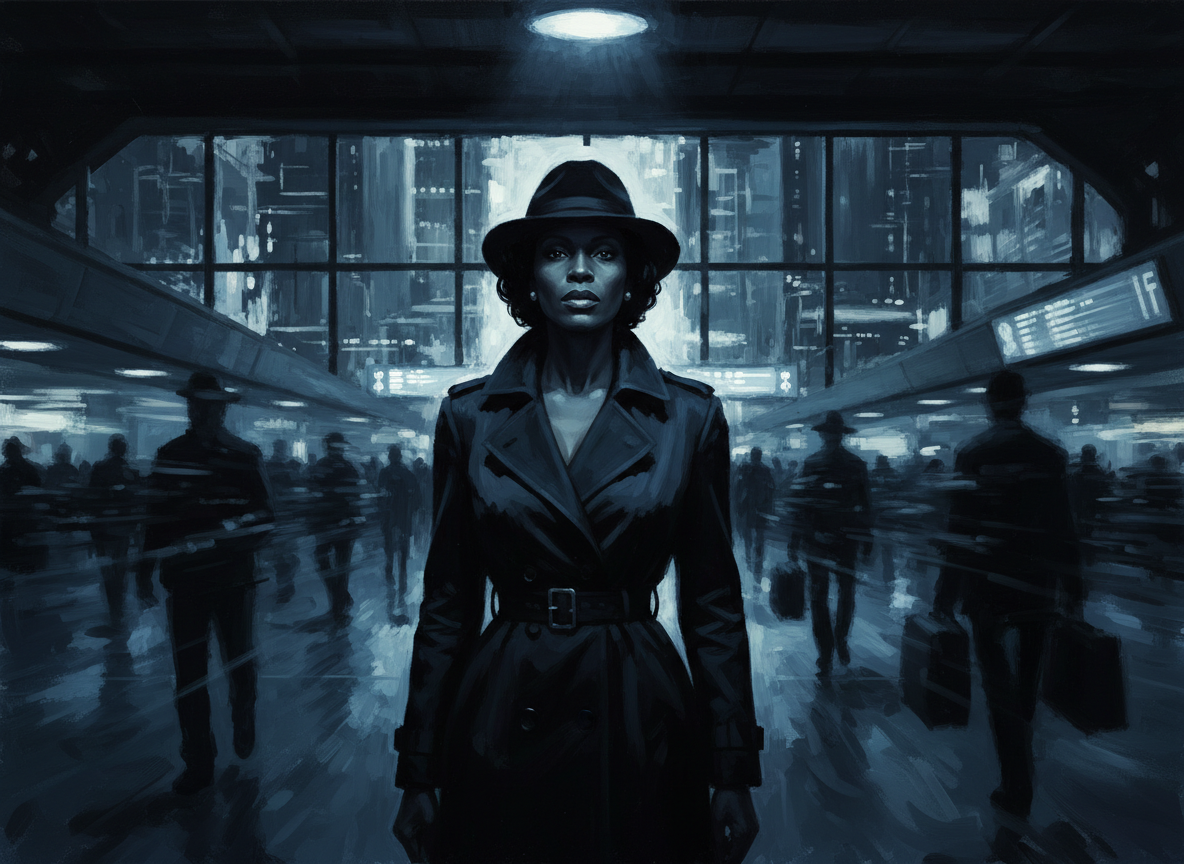
Mirror Marlow moved through airports the way most people move through grief — quietly, efficiently, and without making eye contact. She had learned early that invisibility was not a weakness. It was architecture. She built it deliberately, brick by brick, over twenty-two years of watching men in expensive suits walk away from things they had done.
She worked in risk assessment. She assessed risk for corporations, for insurance companies, for anyone who needed someone smart enough to see what was coming before it arrived. She was very good at it. She had never once been wrong.
That was the problem.
She knew what was coming. She always knew. And for twenty-two years, she had written it in a report, handed it to someone above her, and watched them do nothing. The world, she had decided, did not suffer from a lack of information. It suffered from a lack of consequences.
She was about to fix that.
Chapter II
What She Heard
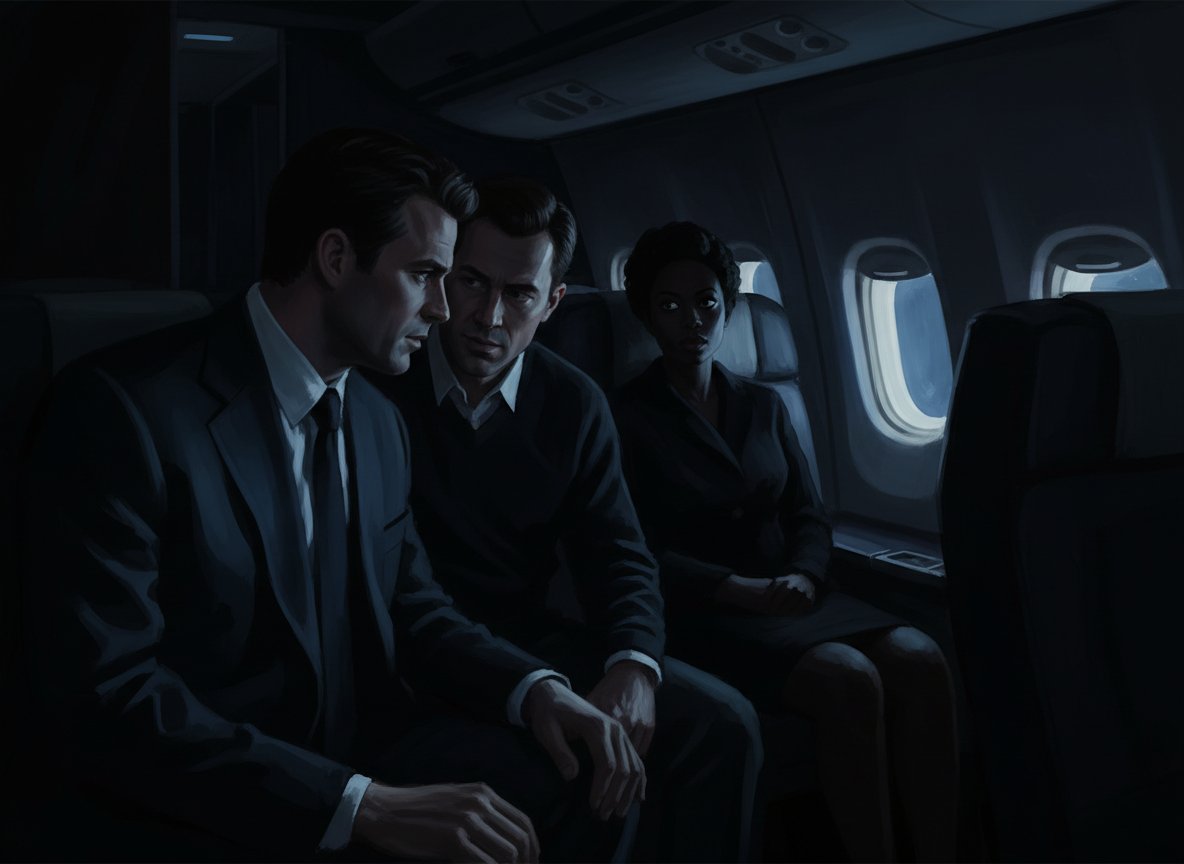
Flight 1142, Atlanta to Chicago. Mirror had the aisle seat in row fourteen. She always chose the aisle. She liked having a way out.
The two men in first class were not whispering — they simply assumed no one behind them was listening. That was the second most dangerous assumption a person could make. The first was assuming Mirror Marlow did not remember everything she heard.
His name was Gerald Fitch. She learned that within four minutes. He was CFO of a pharmaceutical logistics company, celebrating what he called a “clean exit.” A warehouse fire in Memphis. Fourteen workers. Three of them still in the hospital. The investigation had already been steered toward faulty wiring. He laughed when he said steered. Like it was a small thing. Like those fourteen people had simply been inconvenient furniture.
She did not move. She did not write anything down. She had learned long ago that paper was evidence. Memory was not.
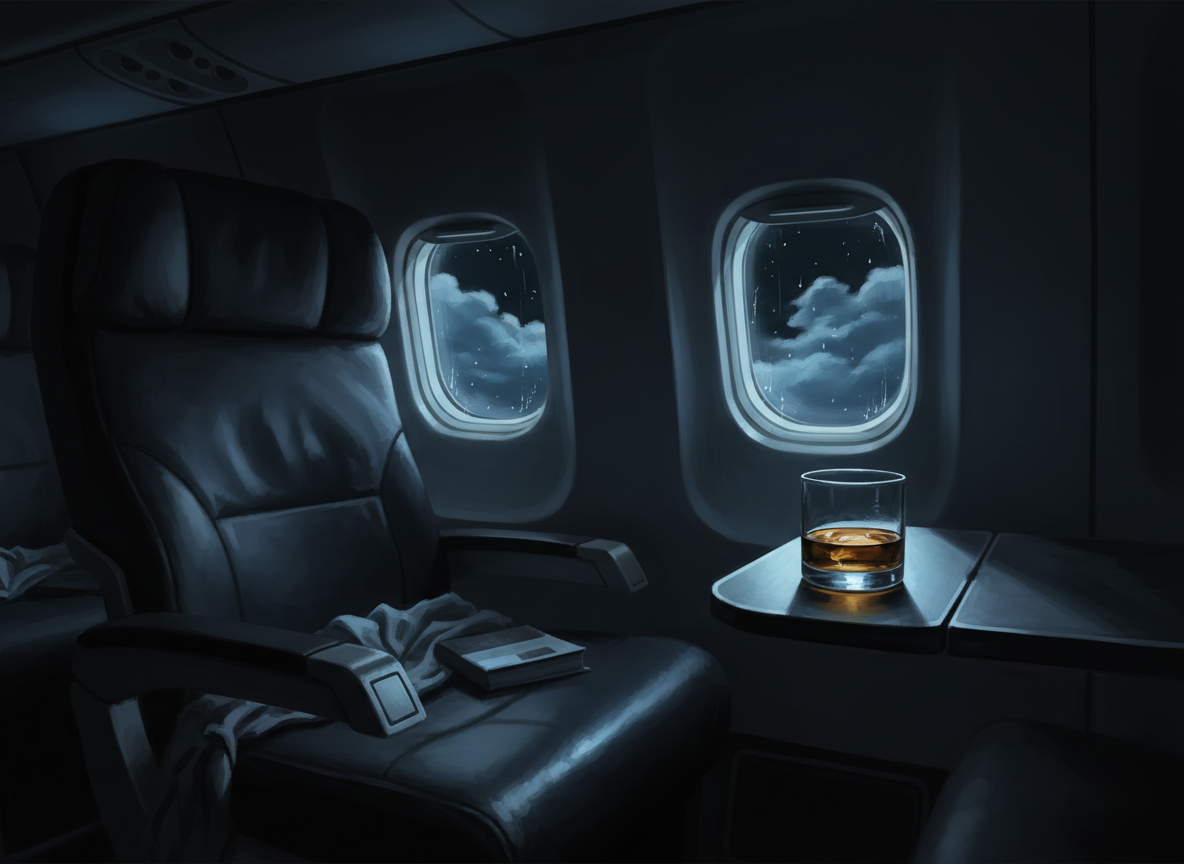
She ordered a ginger ale. She watched the clouds outside her window go dark as the plane climbed above the storm. And she began, quietly and without ceremony, to plan.
Chapter III
Justice at Altitude
Gerald Fitch was not the first. He was the fifth.
The first had been a man named Dawson, three years earlier, on a redeye from Dallas. She had overheard him too. Different crime, same laughter. Same certainty that the world would absorb what he had done and keep moving.
She had gone home after that flight and written a report. She had sent it to three federal agencies, two journalists, and one district attorney. She had waited nine months. Nothing happened. Dawson got a promotion.
After Dawson, she stopped writing reports.
She was precise. She was patient. She never acted on the same flight she listened — she needed time, verification, certainty. She was an assessor of risk. She knew how to confirm what she heard. She knew how to find the rest of the story. And when she was sure — completely, irrevocably sure — she acted.
Gerald Fitch’s seat was empty when the flight landed. The flight attendant would note later that the gentleman in 3A had deplaned quietly during the final approach confusion. It happened sometimes.
His name would appear in a missing persons report eleven days later. By then, Mirror was on a different flight entirely. Different city. Different name in the manifest.
She was very good at her job.
Chapter IV
The Detective
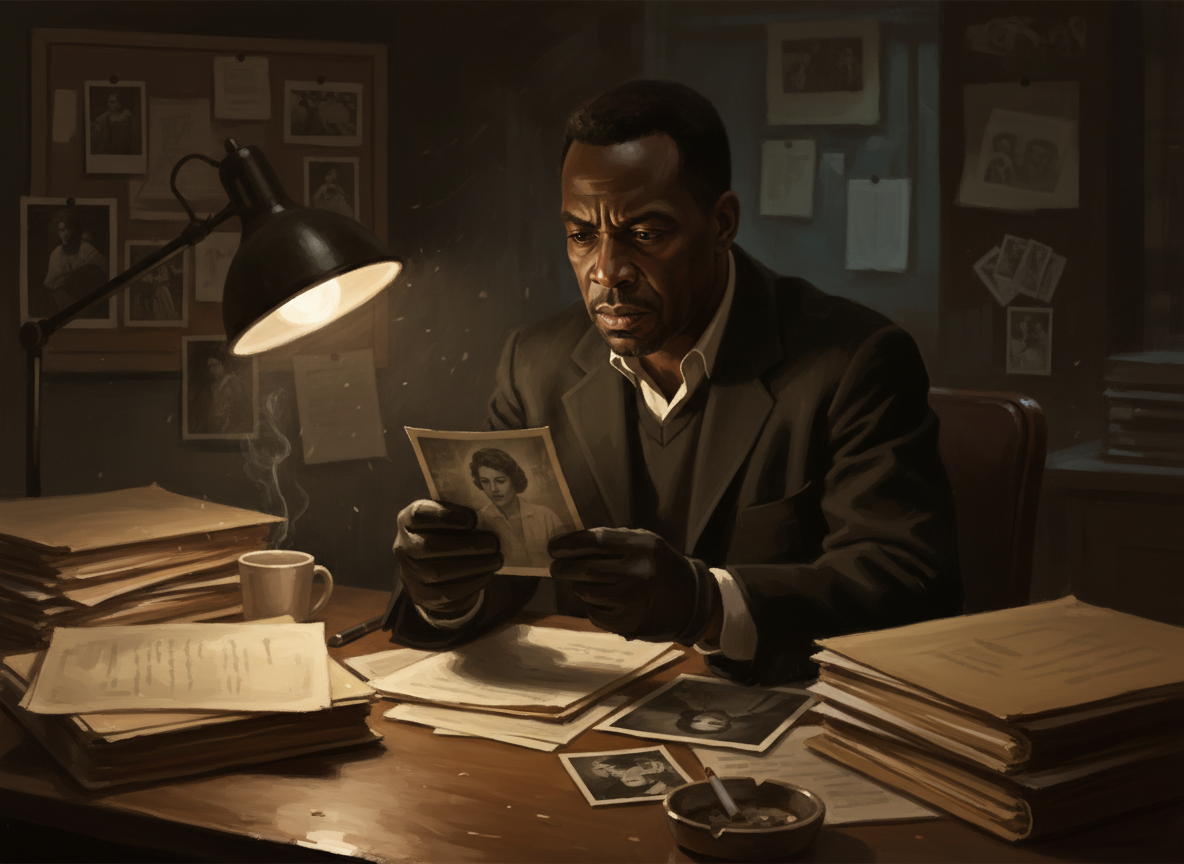
Detective Elias Vance had been with the FBI’s cold case unit for nineteen years. He had closed 214 cases. He had never encountered a pattern quite like this one.
Four men. Different cities. Different industries. No physical evidence. No witnesses. No connection between the victims — until Vance noticed that all four had been on flights in the seventy-two hours before they disappeared. And all four had active federal investigations that had been quietly stalled in the year before their deaths.
He had a shadow of a name. A woman, mid-forties, seen near a gate in Atlanta. A frequent flyer whose seat manifests kept appearing two, three rows behind the missing men. A partial profile and a composite sketch that could have been a thousand women.
He pinned her photograph to the wall above his desk. He looked at it every morning.
He did not know her name yet. But he felt, in the way that nineteen years had taught him to feel things, that she already knew his.