Xhale Chronicles
The Troll Beneath His Fear
Letters from Xhale · Words that breathe. Stories that linger.
Xhale Chronicles — A Story of Grief and Seeing
“The Troll Beneath His Fear” was written for everyone who ever swallowed love until it became something darker — who sat beneath their own bridge, alone, convincing themselves they were unworthy of being seen. The troll is not a monster. He is a man who loved and stayed silent. And silence, when love is involved, always has a cost.
Part One — The Bridge Years
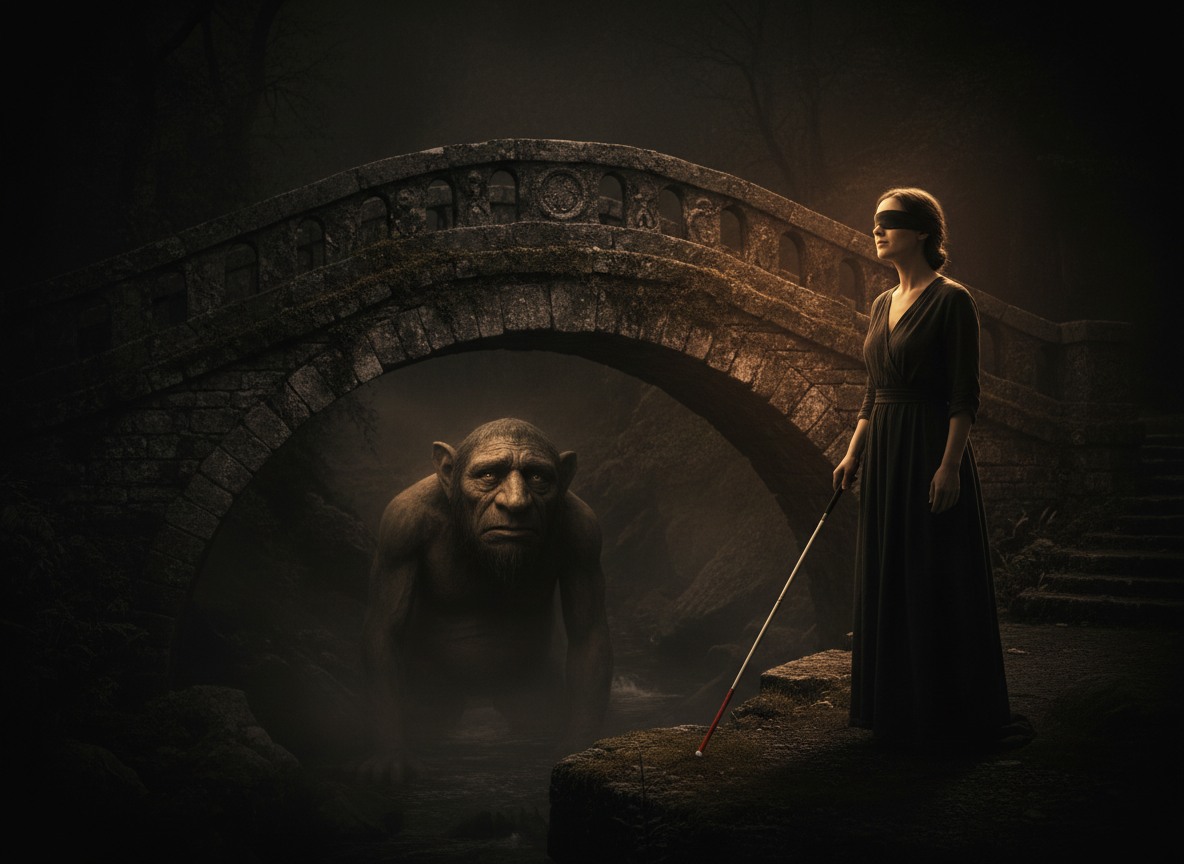
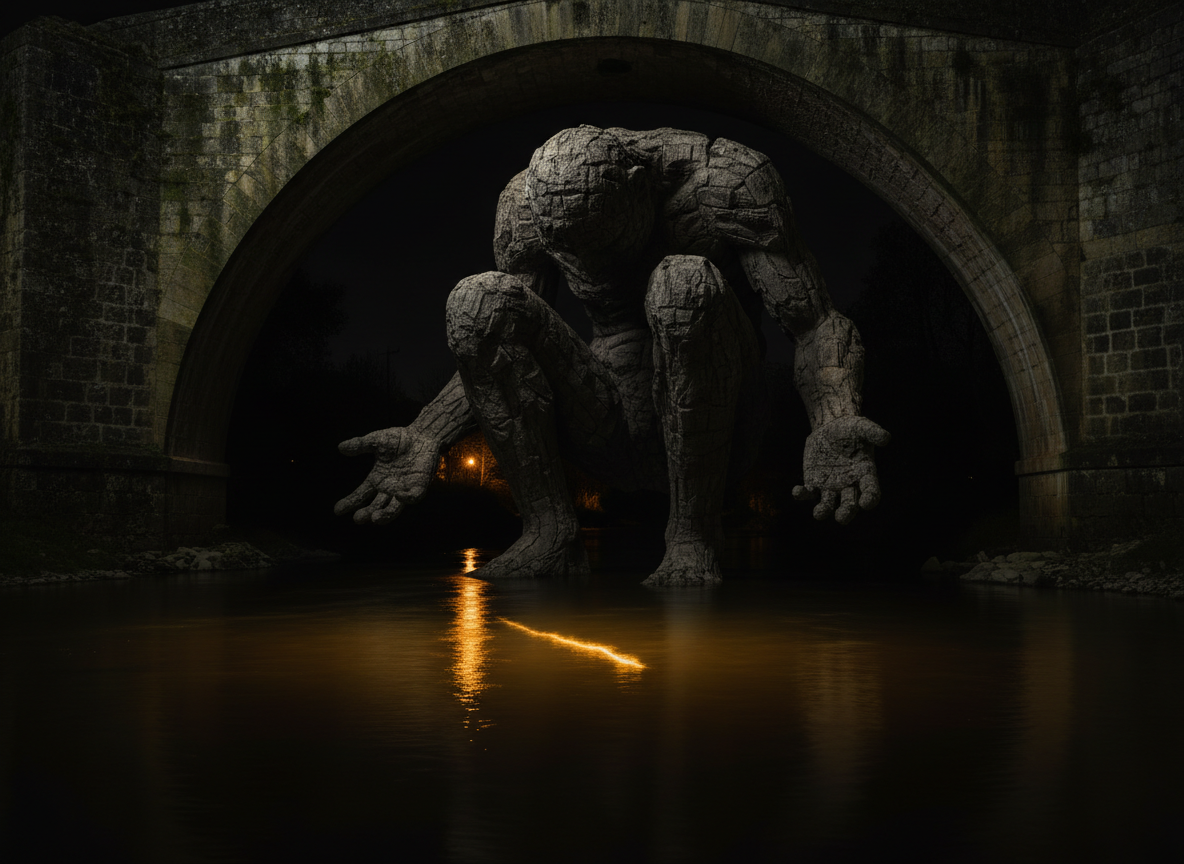
Beyond the understanding of love and life, there lived a troll beneath an old stone bridge.
He had not always been a troll who hated the world.
Once, many years ago, he had loved a woman. She was beautiful — not only in her face, but in her heart. She was kind, gentle, and everything he believed he could never have. The troll knew he could never be a part of her world, so he kept his love hidden. He wanted desperately to tell her how he felt.
But he never found the courage.
Years passed.
And then, one day, the woman died.
The troll never got to tell her that he loved her.
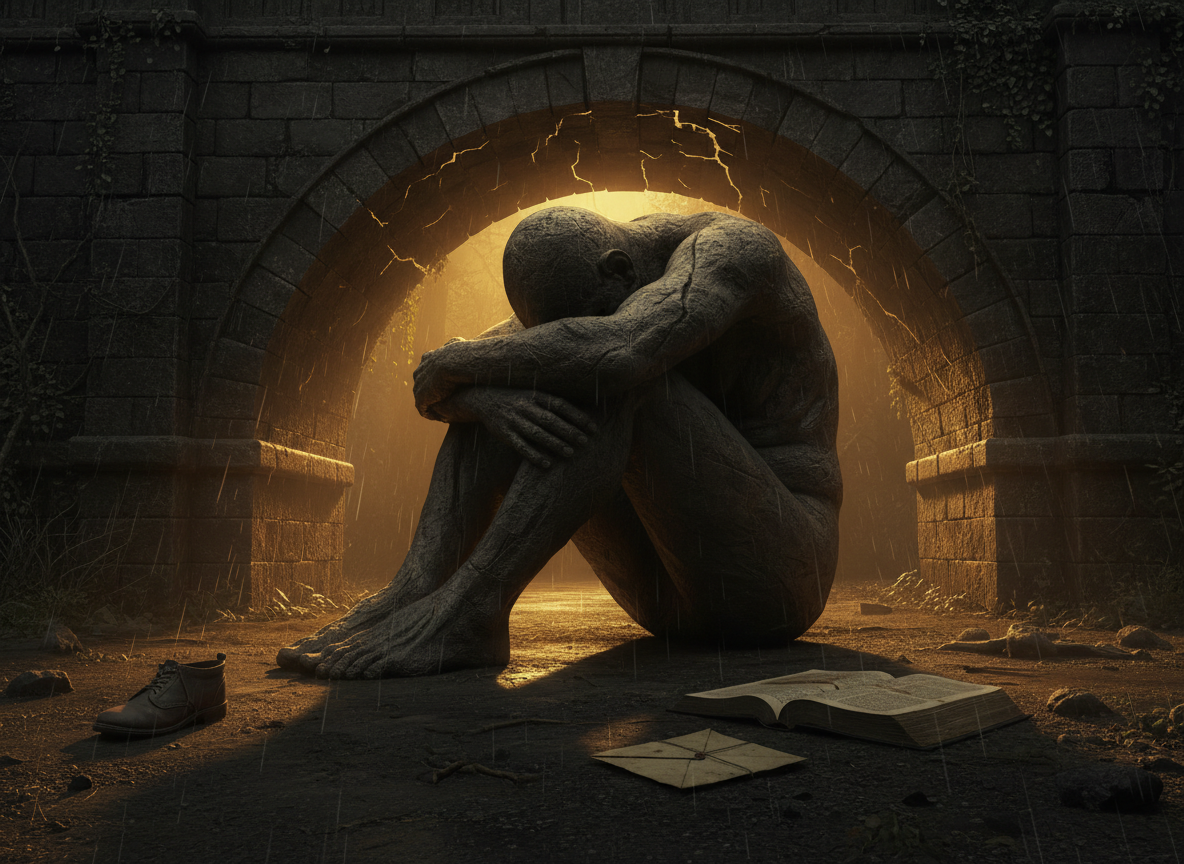
That regret broke something inside him. He wandered for days, arguing with himself about life, love, and what the world had done to him. Eventually, he came to a bridge in a distant land. He sat beneath it, staring into the darkness and wondering whether there was any reason for him to continue living.
He was angry.
He was lonely.
And most of all, he was hurt.
So he stayed beneath that bridge.
Years became years.
But something unexpected happened.
The troll began to remember the love he had lost — not just the pain of it, but the beauty of it. He began writing poems beneath the bridge. At first, he wrote only for himself.
Then people began coming from miles away.
Couples heard about the mysterious troll who lived beneath the bridge and wrote beautiful poems about love. They would sit near him, listening to his words, and ask him to write poems for them.
The troll became known throughout the countryside.
He was still lonely, but at least he was giving other people something he had once been too afraid to give himself.
Part Two — The Woman Who Came
Then, one day, a blind woman came to the bridge.
She came alone.
The troll heard her footsteps and called out.
“How are you doing?”
“I’m well,” she answered.
“Are you here with someone?”
“No.”
The troll chuckled softly.
“I usually write poems for couples.”
The woman smiled.
“I’ve always wanted to hear one of your poems.”
The troll looked at her. She was blind, yet there was something peaceful about her.
So he wrote her a poem.
She listened quietly.
When he finished, she thanked him and walked away.
The next day, she returned.
And the next.
Almost every day, the blind woman came beneath the bridge to listen to the troll’s poems.
Eventually, the troll began looking forward to her visits.
One evening, she said, “I want to come down there and meet you.”
The troll became nervous.
“You don’t want to do that.”
“Why?”
“Because you might not like what you see.”
The woman laughed.
“I’m blind. It doesn’t matter what you look like.”
The troll was silent.
Finally, he said, “All right.”
She carefully made her way beneath the bridge.
When she reached him, the troll held out his hand.
But she stopped him.
“Before you touch me,” she said, “can we talk?”
“About what?”
“About why you became the person you are.”
The troll had not told anyone his story in years.
But something about her made him trust her.
So he told her everything.
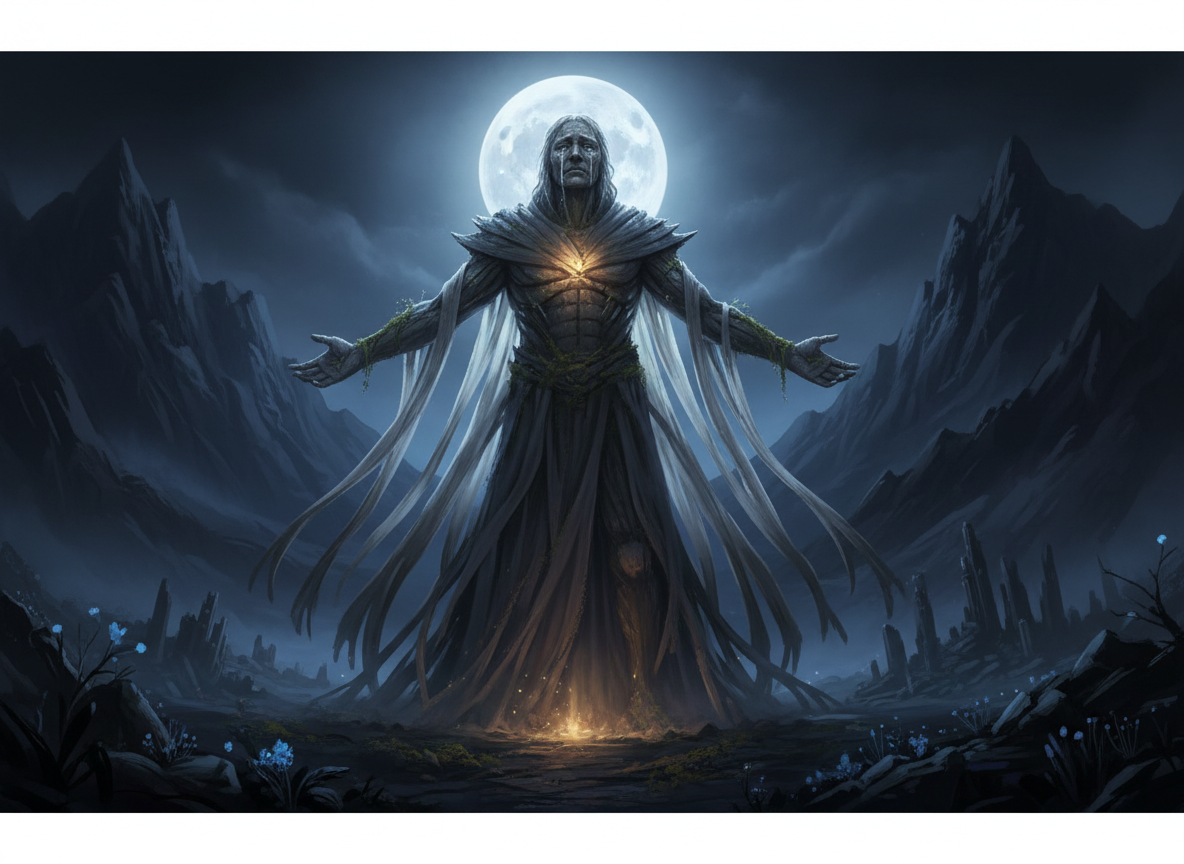
He told her about the woman he had loved. He told her how he had been too afraid to confess his feelings. He told her how she died before he could tell her. And he told her how he had carried that regret beneath the bridge for years.
The blind woman listened.
She did not judge him.
She simply reached out and held his hand.
“You loved her,” she said.
“Yes.”
“Then perhaps your mistake wasn’t loving her.”
The troll looked at her.
“Then what was my mistake?”
“Not telling her.”
The words stayed with him.
From that night forward, the woman remained beneath the bridge longer and longer. She listened to his poems. He listened to her stories. They laughed together. They argued. They dreamed.